
Sea Freight Service (Ocean Freight Shipping That Keeps Your Cargo Moving)
Sea freight is the best choice when you need reliable international shipping at a practical cost. Whether you’re moving commercial cargo, project materials, or household goods, ALS Target delivers professional sea freight service with clear planning, strong documentation support, and smooth port coordination.
If you’re shipping from or within the GCC, sea freight becomes even more important because the region is connected to major global trade lanes. Also, GCC ports operate with strict cut-off times, gate procedures, and documentation checks—especially during peak seasons. Therefore, ALS Target plans your ocean freight shipping around GCC port realities, so your cargo doesn’t get stuck at the last minute.
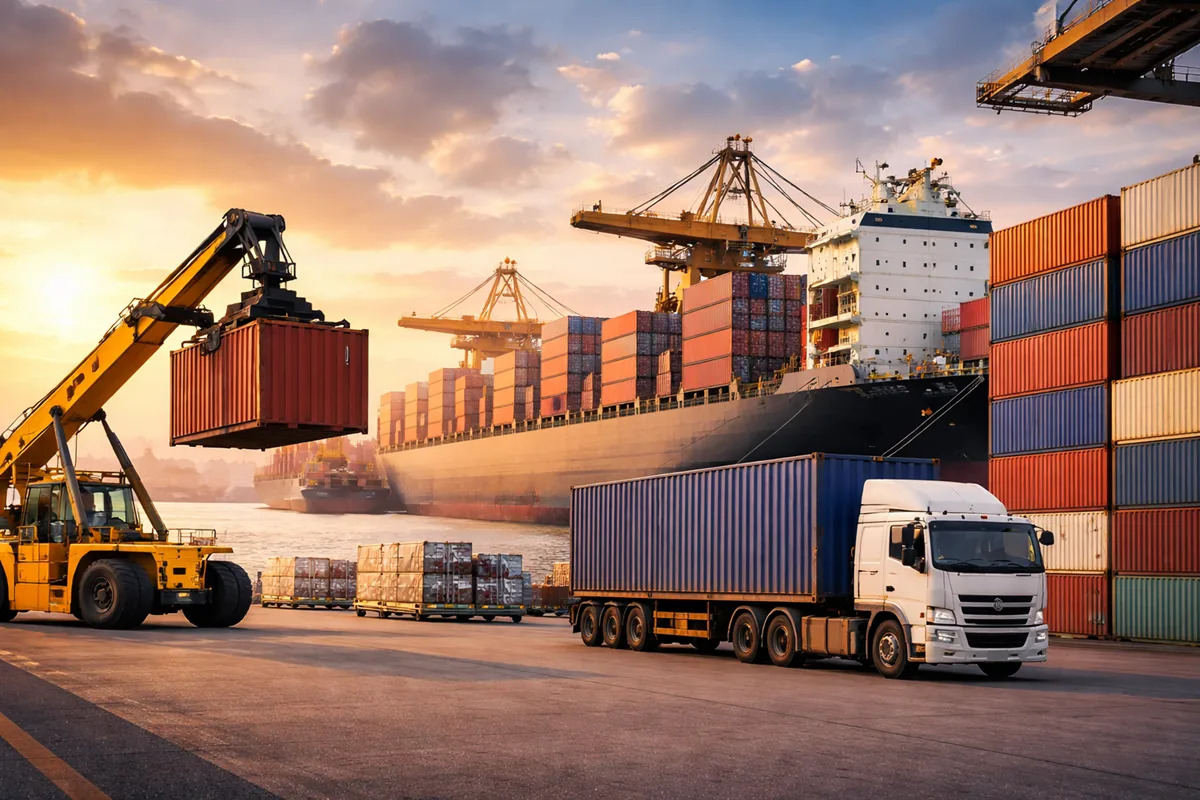
Sea Freight Services by ALS Target
We support businesses and individuals with flexible shipping options.
FCL (Full Container Load) Shipping
You book a full container for your shipment. This option provides better control and often faster handling at origin and destination.
Best for: large cargo volumes, regular import/export, higher value cargo.
LCL (Less than Container Load) Shipping
You share container space and pay by volume (CBM). This works well for smaller shipments without needing a full container.
Best for: small to medium shipments, cost-focused shipping.
Door-to-Port / Port-to-Port / Door-to-Door (Where Available)
Choose the service level you need, and we coordinate the steps accordingly.
Breakbulk & Project Cargo Support (When Required)
For oversized or non-containerized cargo, we can guide on suitable sea freight planning and port handling requirements.
What Can You Ship by Sea Freight?
Sea freight suits a wide variety of cargo types:
- General commercial cargo (cartons, pallets)
- Machinery and spare parts
- Furniture and household goods
- Building materials and fittings
- E-commerce bulk shipments
- Automotive parts and accessories
- Industrial items and project supplies
If your cargo is regulated (batteries, chemicals, etc.), extra compliance steps may be needed. We’ll guide you based on the product details.
FCL vs LCL: Which Sea Freight Option Is Right?
Option | Best For | Pricing Basis | Main Benefit |
FCL | large shipments | per container | more control, less handling |
LCL | small shipments | per CBM/ton | lower cost for smaller cargo |
Common Container Types (Quick Guide)
Container Type | Typical Use | Notes |
20ft | heavy cargo, small volume | cost-effective for dense goods |
40ft | larger volume cargo | popular for general shipments |
40ft HQ | bulky cargo needing height | more cubic capacity |
Sea Freight Cost Guide (Estimated Ranges)
Sea freight cost depends on route, season, container type, volume (CBM), and local port charges. Still, these ranges help with budgeting.
Estimated Sea Freight Costs (Planning Ranges)
Estimates only. Final quotes depend on lane, timing, cargo type, and port charges.
Shipping Type | Typical Size | Estimated Cost (USD) | Estimated Cost (AED) | Notes |
LCL | 1–3 CBM | 220 – 850 | 810 – 3,120 | plus local handling |
LCL | 3–10 CBM | 650 – 1,950 | 2,390 – 7,160 | best for small businesses |
FCL 20ft | full container | 1,200 – 3,800 | 4,400 – 13,950 | route and season matter |
FCL 40ft | full container | 1,800 – 6,200 | 6,600 – 22,770 | better for volume cargo |
Port/terminal handling (avg) | per shipment | 180 – 900 | 660 – 3,300 | varies by port |
What Affects Sea Freight Pricing?
- Route and sailing frequency
- Peak season demand
- Cargo volume (CBM) and weight
- Container type (20ft/40ft/HQ)
- Port charges, documentation fees, handling charges
- Customs requirements and inspections
- Pickup and delivery distance (if door service)
Transit Time Estimates (Sea Freight Delivery Windows)
Transit depends on sailing schedule, transshipment (if any), port congestion, and customs clearance.
Route Type | Typical Sea Transit Time | Notes |
GCC → GCC (regional) | 7–21 days | includes port handling time |
GCC → Europe/UK | 18–35 days | direct vs transshipment varies |
GCC → USA/Canada | 25–45 days | coast and routing matter |
GCC → Asia | 12–30 days | frequency affects speed |
GCC → Africa | 15–35 days | depends on port pair |
Tip: LCL shipments can take a bit longer than FCL because consolidation and deconsolidation adds time.
Sea Freight Documentation (What You Usually Need)
Correct paperwork prevents delays. So we guide you step by step.
Document | Why It Matters |
Commercial Invoice | customs value and product details |
Packing List | cartons/pallets, weights, dimensions |
Bill of Lading (B/L) | ocean transport document |
Certificate (if required) | depends on goods and destination |
HS code info (basic support) | helps smoother clearance |
Customs & Port Coordination (So Cargo Doesn’t Get Stuck)
Sea freight is economical, but port processes can slow shipments if details are missing. Therefore, ALS Target supports:
- export/import document checklist
- coordination for port cut-off times
- cargo readiness and stuffing planning
- tracking and update support
- advice to avoid common mistakes
Packing & Container Stuffing Support (When Needed)
Good packing reduces damage and reduces extra costs. So we can guide:
- palletization and shrink wrapping
- carton strength recommendations
- container loading plan (heavy goods at bottom, balance weight)
- moisture protection tips for long voyages
Why Choose ALS Target for Sea Freight Service?
Because you need reliability, not confusion.
With ALS Target, you get:
- FCL and LCL options based on your cargo size
- clear pricing logic (CBM, container type, port charges)
- route planning and schedule guidance
- document support for smoother port movement
- tracking updates you can trust
- GCC-aware planning around port cut-offs and peak seasons
How ALS Target Sea Freight Works (Simple Steps)
- Share cargo details (CBM, weight, pickup, destination, cargo type)
- We recommend LCL or FCL and confirm route schedule
- Quote approval and booking
- Cargo pickup / delivery to warehouse or port
- Container stuffing or LCL consolidation
- Sailing + tracking updates
- Arrival handling + customs coordination + delivery/collection
FAQ - Sea Freight Services
Most common asked questions on Sea Freight Services